NVOII Logo
LoginSign up
Menu icon
News cover photo
Choosing the Right MRO: What Every Aircraft Owner and Operator Should Consider
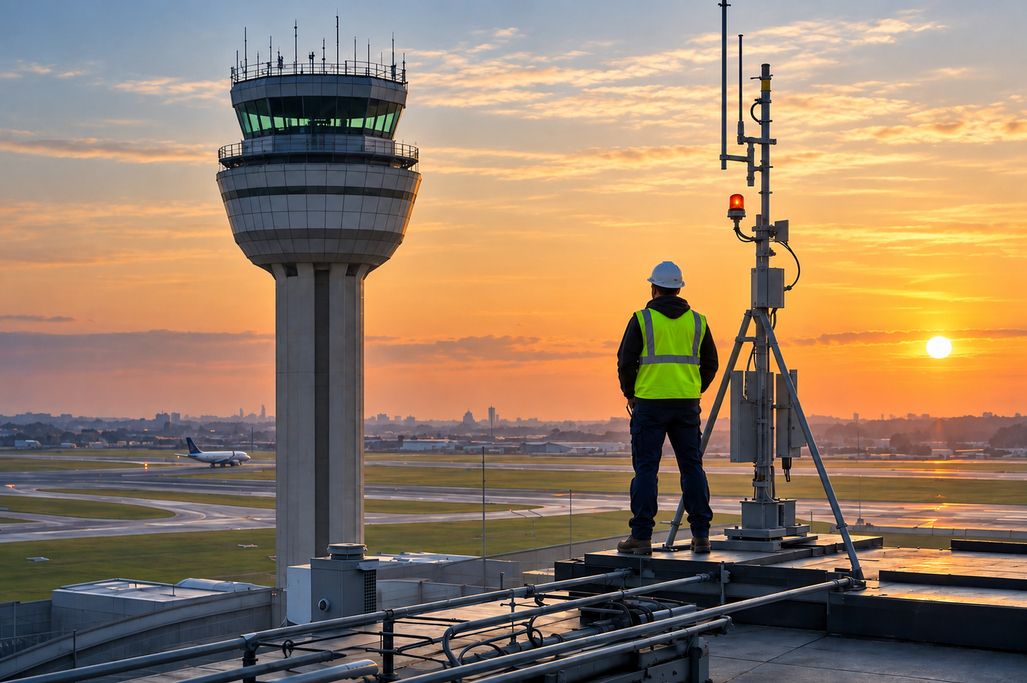
Selecting the right Maintenance, Repair and Overhaul (MRO) provider is one of the most important decisions an aircraft owner or operator can make. While cost is always a factor, the right partner can improve aircraft reliability, reduce downtime and protect the long-term value of the aircraft. Experience with your specific aircraft type should be a top priority. An MRO that regularly services your make and model is more likely to identify issues early, work efficiently and complete maintenance to the highest standard. Factory authorisation and OEM training are also valuable indicators of technical expertise. Turnaround time is another critical consideration. Ask about parts availability, AOG support, staffing levels and realistic completion schedules. A lower quote can quickly become more expensive if unexpected delays keep your aircraft on the ground. Reputation also matters. Look for a proven track record, strong customer communication and a commitment to transparency throughout the maintenance process. An MRO that provides regular progress updates and clear explanations of additional work helps build trust and avoids costly surprises. Finally, consider the services available beyond scheduled maintenance. Mobile AOG support, avionics upgrades, interior refurbishment, paint capabilities and engine services can reduce the need to move the aircraft between multiple facilities. The best MRO isn’t always the cheapest. It’s the one that delivers quality workmanship, dependable support and the confidence that your aircraft will return to service safely, efficiently and on schedule. Stay connected with NVOII for all things BizAv.
4d
News cover photo
The Hawker 4000: A Bold Vision That Arrived Too Late
The Hawker 4000 is often remembered as one of business aviation’s most ambitious aircraft programmes. While it never achieved the commercial success many expected, it introduced technologies that helped shape the future of modern business jets. When the aircraft entered service in 2008, it stood out from its competitors with a composite fuselage, advanced Honeywell Primus Epic avionics and fly-by-wire technology for selected flight controls. These features positioned the Hawker 4000 as a forward-thinking aircraft designed to deliver improved performance, efficiency and pilot capability. However, bringing that vision to market proved far more difficult than anticipated. Years of development delays meant the aircraft reached customers well behind schedule, allowing competitors to establish themselves in the super-midsize segment. By the time the Hawker 4000 entered service, operators already had proven alternatives available. Like many new aircraft programmes, the Hawker 4000 also experienced early technical challenges that required additional time and resources to resolve. At the same time, the global financial crisis placed enormous pressure on the business aviation industry, reducing demand just as the programme was gaining momentum. The combination of development costs, market conditions and financial pressures ultimately contributed to the aircraft’s relatively short production life. Following Hawker Beechcraft’s restructuring in 2012, the Hawker 4000 programme came to an end. Today, the Hawker 4000 serves as a reminder that success in aviation depends on far more than innovative engineering. Timing, execution, financial resilience and market readiness are just as critical as the technology itself. Although its production ended early, the Hawker 4000 remains an important milestone in business aviation history, proving that pioneering ideas can leave a lasting impact even when commercial success proves elusive. Stay connected with NVOII for all things BizAv.
7d